
eng



There are two places in the world named Pollentia. The first, founded by the Romans in Piedmont in the 2nd century BC, is today’s Pollenzo. The second, also Roman in origin and founded a century later on the island of Mallorca, is now known as Pollença.
Although the two are unlikely to be confused, one might wonder why the Romans chose the same name. It wasn’t for lack of imagination: in Latin, pollentia means wealth, strength, power — an auspice that has followed this land through the centuries.
Whether by name, destiny or the natural flow of history, Pollenzo has always enjoyed a certain fortune. The village’s origins date back to 179 BC, when Roman settlements arrived between the Langhe and Monferrato. Since then, Pollenzo has lived through eras of expansion, glory and transformation, eventually becoming part of the Savoy domains in 1762.
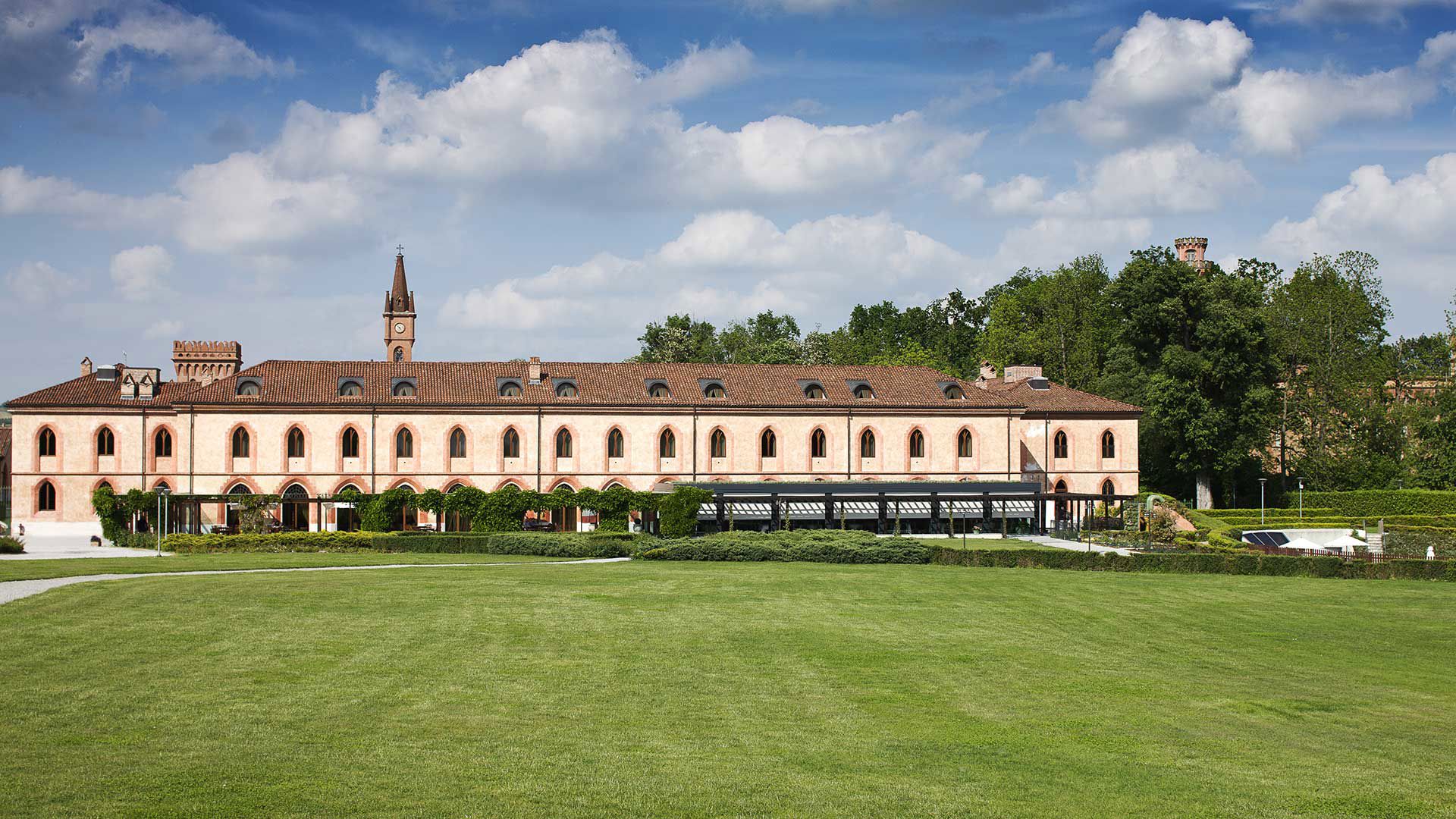
King Carlo Alberto was captivated by this village and, starting in 1832, launched an ambitious redevelopment project that transformed Pollenzo completely. Among the works completed were the tower overlooking the church square, the parish of San Vittore, and four large rural estates.
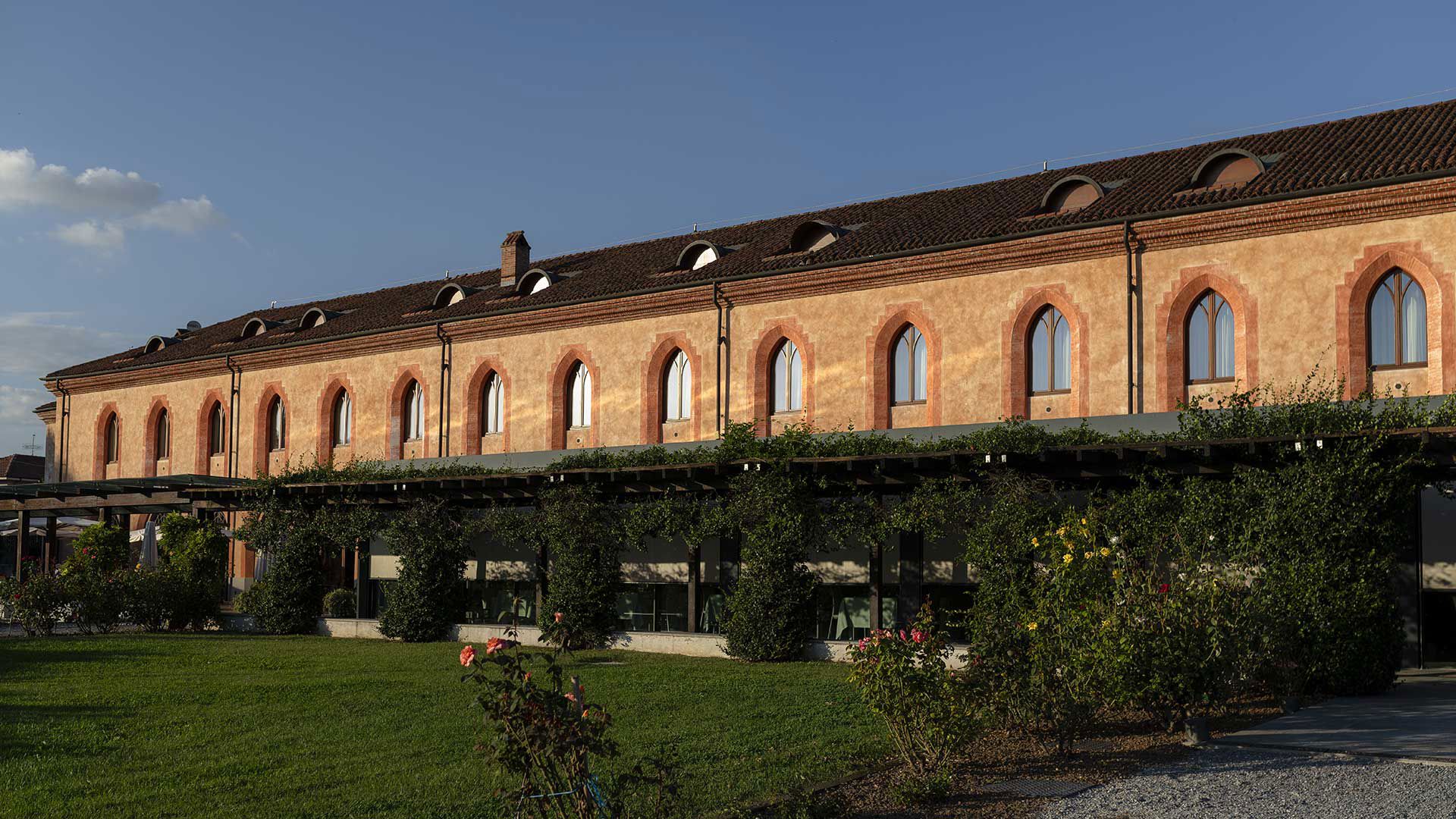
The most important of these was the Agenzia, which the King envisioned not only as the administrative centre of the Savoy family but also as a model farm where advanced agricultural practices and new winemaking techniques could be developed and perfected.
The Savoy project continued until 1850, supported by the work of Paolo Francesco Staglieno — general, oenologist and pioneer of modern Piedmontese winemaking. Appointed Director of Vinification by King Carlo Alberto, Staglieno introduced revolutionary techniques that allowed Piedmontese wine to age longer and be successfully exported worldwide.
In 1846, the Agenzia even hosted the Primaria Adunanza Generale dell’Associazione Agraria, a major event that brought scholars and experts from all over Italy, confirming the Estate’s role as a leading centre for agricultural innovation.
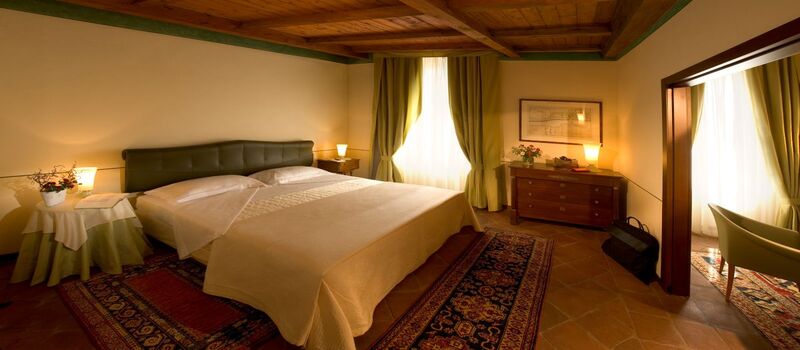
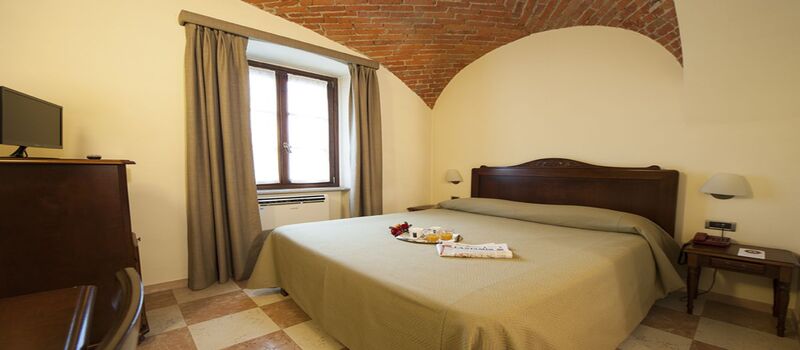
After decades of neglect and the 1994 flood, the Carlo Alberto complex was brought back to life thanks to an idea by Carlo Petrini, founder of Slow Food. The restoration, completed in 2004, returned the Estate to its former splendour and transformed Pollenzo into a one-of-a-kind hub dedicated to food culture and hospitality.
Alongside the hotel, the project also gave rise to the University of Gastronomic Sciences, Banca del Vino (the Wine Bank) and Ristorante Garden.